English
  German
  French
  Italian
  Spanish
  Portuguese
  Japanese
  Thai
Thai  Polish
  Dutch
Dutch  Romanian
  Greek
Greek  Czech
Czech  Hungarian
  Swedish
  Bulgarian
  Croatian
  Finnish
  Slovak
  Lithuanian
 How to Care For Your Hybrid Vehicle Battery

Hybrid vehicle batteries serve as the heart of your electric power system. Charges and discharges occur continuously, helping fuel economy by relieving the strain on gasoline engines during short spurts of peak power demand.
Hybrid batteries recharge on the go through regenerative braking and can also be plugged in for longer drives. They’re made from lightweight yet durable materials that make maintenance simple.
Lithium-Ion Batteries
Lithium-ion batteries are among the most advanced and efficient types of batteries on the market. They feature high energy density at low cost, an extensive temperature range, and a long lifespan. Lithium-ion batteries are commonly found in electric vehicles, grid storage systems, power backups/UPSs, and telecommunication systems.
Li-ion batteries consist of one or more cells (power-generating compartments). Each cell consists of an anode, cathode, separator, and electrolyte that facilitate the transfer of positive lithium ions from one anode to the cathode via an electrolyte through which positive lithium ions move, producing free electrons as they interact between molecules. This process is known as lithium-ion battery charging and discharging.
Hybrid vehicles, plug-in hybrid electric vehicles (PHEVs), and all-electric cars utilize lithium-ion batteries, with manufacturers often slightly changing their chemical composition. Furthermore, technological advancements are continuously taking place to increase energy density while simultaneously improving load characteristics.
Nickel-metal hydride batteries have long been popular and widely found in hybrid vehicles. While their more stable design enables them to hold more charge, their increased toxicities are dangerous when mishandled.
Both types of batteries are improving rapidly in energy density, and they could eventually rival internal combustion engines in terms of performance. Recent advances include lithium vanadium oxide anodes, silicon nanowires, and tin nanoparticles, which promise significantly higher energy densities than today’s state-of-the-art.
NiMH and lithium-ion batteries are non-aqueous, meaning they contain no water that would deteriorate their cells over time. Still, when stored at full charge, they have limited calendar lives that should be maintained, and a battery management system is required to ensure they stay charged.
Like all batteries, lithium-ion battery packs are potentially hazardous and should only be handled by professionals following safety protocols. These procedures include wearing insulated gloves and using tools to avoid electrical shock. Lithium-ion batteries may become damaged from chemical corrosion over time and should, therefore, be stored in an environment that remains cool and dry.
NiMH Batteries
NiMH battery packs are less costly than Li-Ion packs but don’t store as much energy or operate at as high a voltage. This makes them better suited to hybrid vehicles that use electricity to supplement an internal combustion engine rather than providing all their power through electricity alone. They also have longer lifespans but may be more sensitive to temperature changes.
Regenerative braking is a feature of hybrid vehicle engines that converts the kinetic energy generated from car movement into electricity that charges your battery, helping prevent its rapid depletion. Still, regular maintenance should be conducted to extend battery life; you should avoid adding excessive amounts of water into it and check electrolyte levels regularly to ensure everything is in working condition.
Maintaining a hybrid battery doesn’t need to be complex, but proper safety procedures must always be observed when working with high-voltage components. This includes wearing insulated gloves and using tools designed with insulation properties for protection from shock or injury. Furthermore, keeping it clean with ample ventilation is vital in keeping its health at peak levels; regular diagnostic tests will help ensure optimal operation.
As with most hybrid battery maintenance services, DIY maintenance of your hybrid battery may also be possible. While this requires more work upfront, it could save money over time. Just be careful that it does not become overcharged or exposed to extreme temperatures, as these conditions could significantly reduce its lifespan.
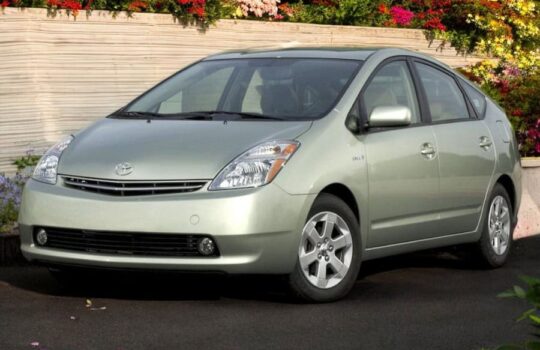
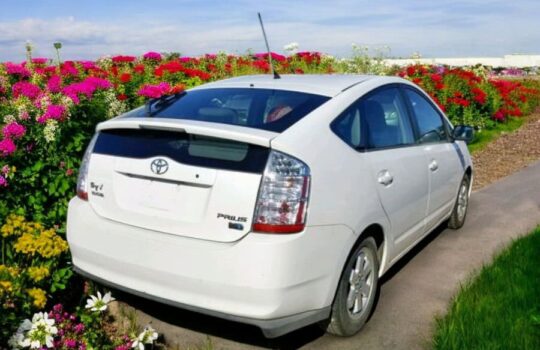
Since introducing Prius cars, Toyota Canada has provided a highly successful hybrid battery recycling program. Their program collects valuable metals while diverting upwards of 98% of battery material away from landfills and reuses it in new hybrid battery modules.
As a hybrid battery repair shop, we provide services to extend the lifespan of your current hybrid car battery or replace it entirely with a brand-new one. Our skilled technicians are committed to bringing you only the highest-quality products and customer service—contact us now to request a battery repair or replacement quote!
Lead-Acid Batteries
Lead-acid batteries are one of the oldest types and are still widely used in hybrid vehicles today, offering safety and reliable performance at an economical cost. Comprised of roughly 60% lead or other metal parts with the remaining weight made up of electrolytes and separators, lead acid batteries store energy through reversible chemical processes; their negative plate is composed of porous lead, while their positive is made of lead oxide – all separated by an electrically insulating but chemically permeable membrane to avoid short-circuiting across their electrolyte – they store energy through chemical processes that reversibly convert energy back into energy via chemical process reversibly chemical process; their negative plate consists of porous lead while their positive plate made of lead oxide to prevent shorting across its electrolyte for storage of energy usage across their electrolyte/separators for energy storage through chemical process reversibly using energy stored through its renversement chemically.
Starting and cranking batteries feature fragile plates designed for maximum surface area, providing high initial current delivery; however, repeated deep discharges can damage these cells, leading to lead sulfate formation and reduced capacity. Deep-cycle batteries feature thicker plates capable of withstanding deeper discharge depths; however, they must still be recharged on an ongoing basis to prevent lead sulfate formation and reduce current availability.
Conventional lead-acid batteries use submerged cells covered in a liquid sulfuric acid solution that must be vented when under stress during charging and discharging to avoid overheating. A more common variant is the VRLA (valve-regulated lead-acid battery) model, which utilizes safety vents to regulate liquid and acid flow easily during pressure build-up. Thus, it provides a safer operating environment, reduced leakage risks, and an optimal working environment.
These batteries possess an ideal power-to-weight ratio, making them suitable for applications requiring high surge currents, such as electric scooters and golf carts. Unfortunately, their low calendar/life cycle efficiencies and relatively higher costs make them unsuitable for traction applications.
Hybrid vehicle batteries are the cornerstone of hybrid drive systems and are instrumental in determining your fuel savings potential. You must recognize any signs of battery failure and have your hybrid car’s battery tested professionally to assess whether an upgrade to lithium-ion or nickel-metal hydride batteries should be considered. However, older lead-acid packs may provide more significant savings and seamless integration into legacy drivetrains.
Maintenance
Hybrid vehicles rely on their batteries as more than just power sources to start their engines and power electrical components; they also supply energy to propel them. Hybrid batteries experience unique wear-and-tear, different from that experienced by traditional car batteries; therefore, proper care must be taken to extend their lifespan to continue providing efficient performance with reduced emissions, which hybrid vehicles are known for.
A general rule of thumb dictates that hybrid batteries will last between 8 and 10 years, depending on usage, storage length, and temperature extremes. When storing them for extended periods, keep their charge below 80%, as storage over this threshold can damage the battery more rapidly.
Hybrid batteries are susceptible to temperature. Exposure to extreme heat speeds up chemical reactions that reduce their effectiveness and lifespan; for this reason, parking your hybrid in shaded or insulated garage spaces will extend its life.
Staying aware of any warning signs or unusual gauge behavior could indicate it’s time for service on your hybrid car. A sudden drop in battery charge or unexpected gauge behavior could indicate this needs attention.
If your hybrid battery is still within its expected lifespan, repairing rather than replacing it can often be cheaper. A technician may be able to restore functionality at a fraction of the cost associated with purchasing a whole new pack.